
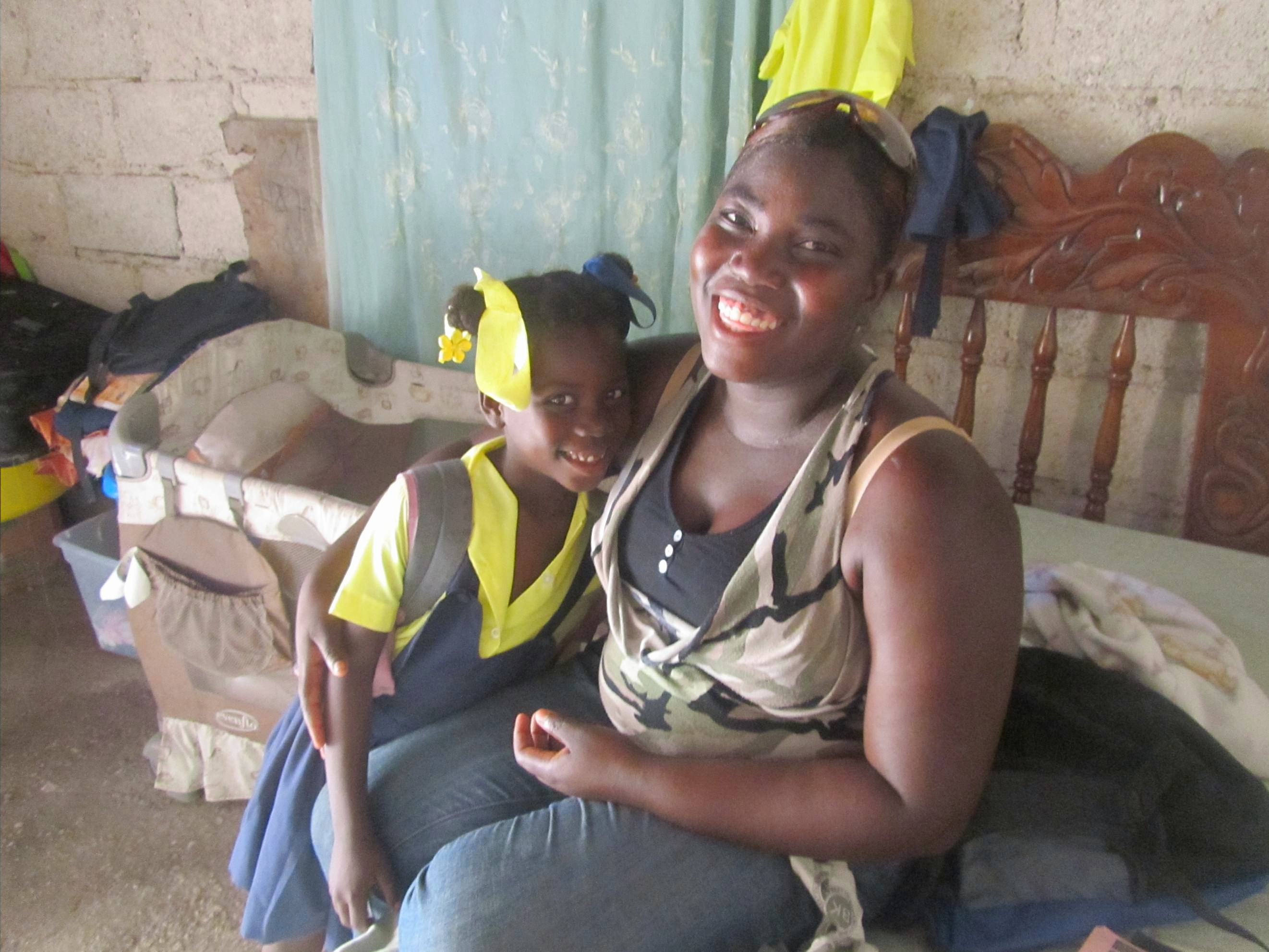
 On the “Our Stories” page of our website, we’ve introduced you to Junia, a Haitian woman who, not so long ago, faced the same difficult choice many Haitian parents do: watching both of her two daughters go hungry or relinquishing one of them to an orphanage. Not much of a choice at all, really.
A single mother whose partner had been abusive to her, Junia had lost her job when her employer downsized, and, without the means to support her children, she didn’t think there was anywhere to turn to for help except one of Haiti’s many orphanages. But then someone told her about Jamie and Ali. As it turned out, their meeting came at a very opportune time for both Junia and Jamie and Ali: for Junia needed help and Jamie and Ali needed a new staff member.
Her own family no longer in crisis, Junia works alongside Jamie and Ali with fathers whose wives have died in child birth, with families whose youngest members are ill, and with hospital staff caring for premature or abandoned babies. Once a woman with nowhere to turn, Junia is now one of our most indispensable team members.
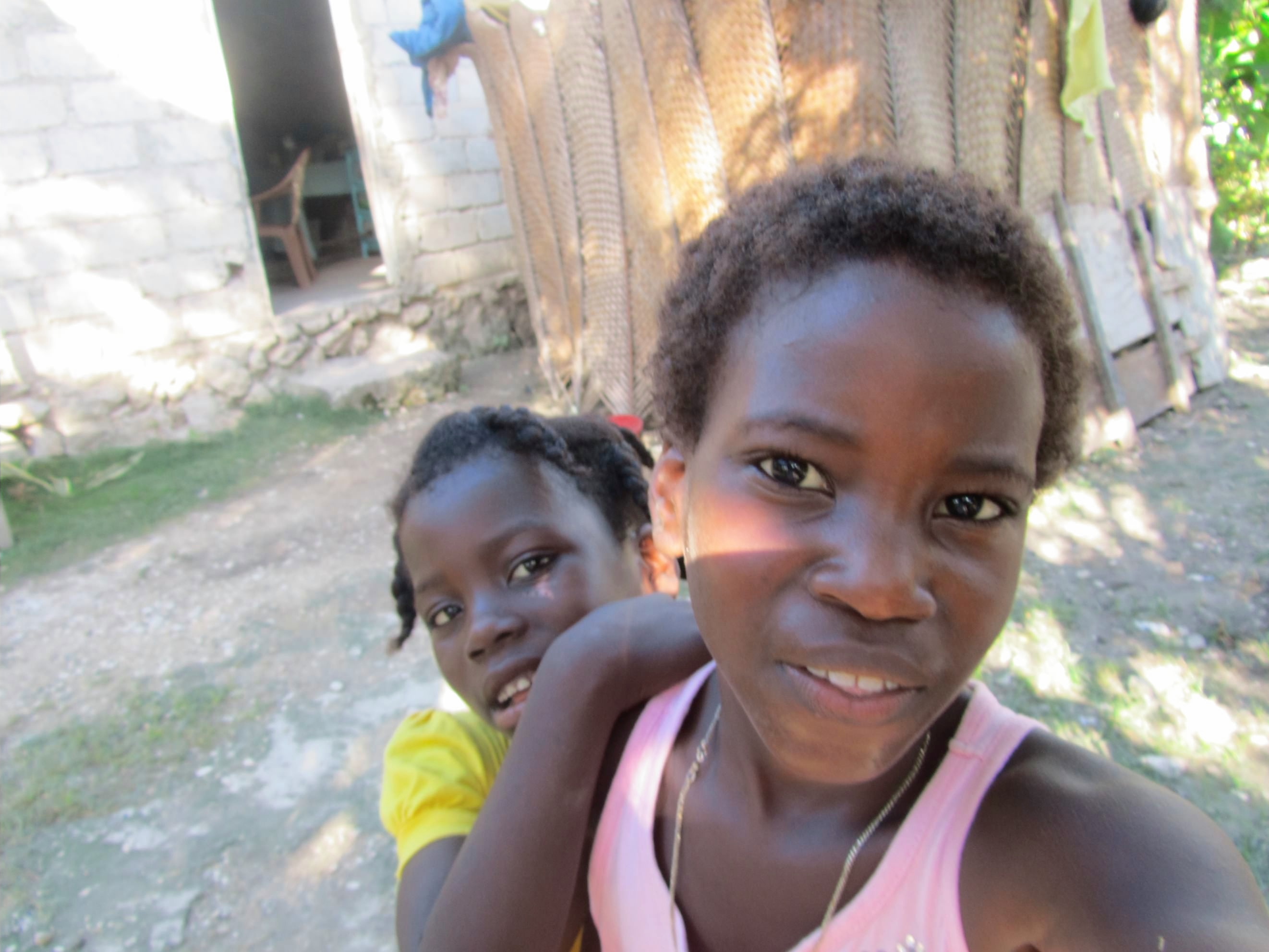 Junia’s commitment to HFF’s mission to nurture children by building strong families and communities goes far beyond her work day. As a single, working mom, Junia realized she needed a supportive community around her, so she built one: together with other working moms, she created a network of women who can rely on each other to help out with their children when needed. This network even allowed one neighbor to raise her infant niece after the newborn’s mother died giving birth. Junia is a wonderful role model for her two daughters. In her “free” time, she takes classes in English and computers, so it’s not surprising that both of her girls love school and get excellent grades.
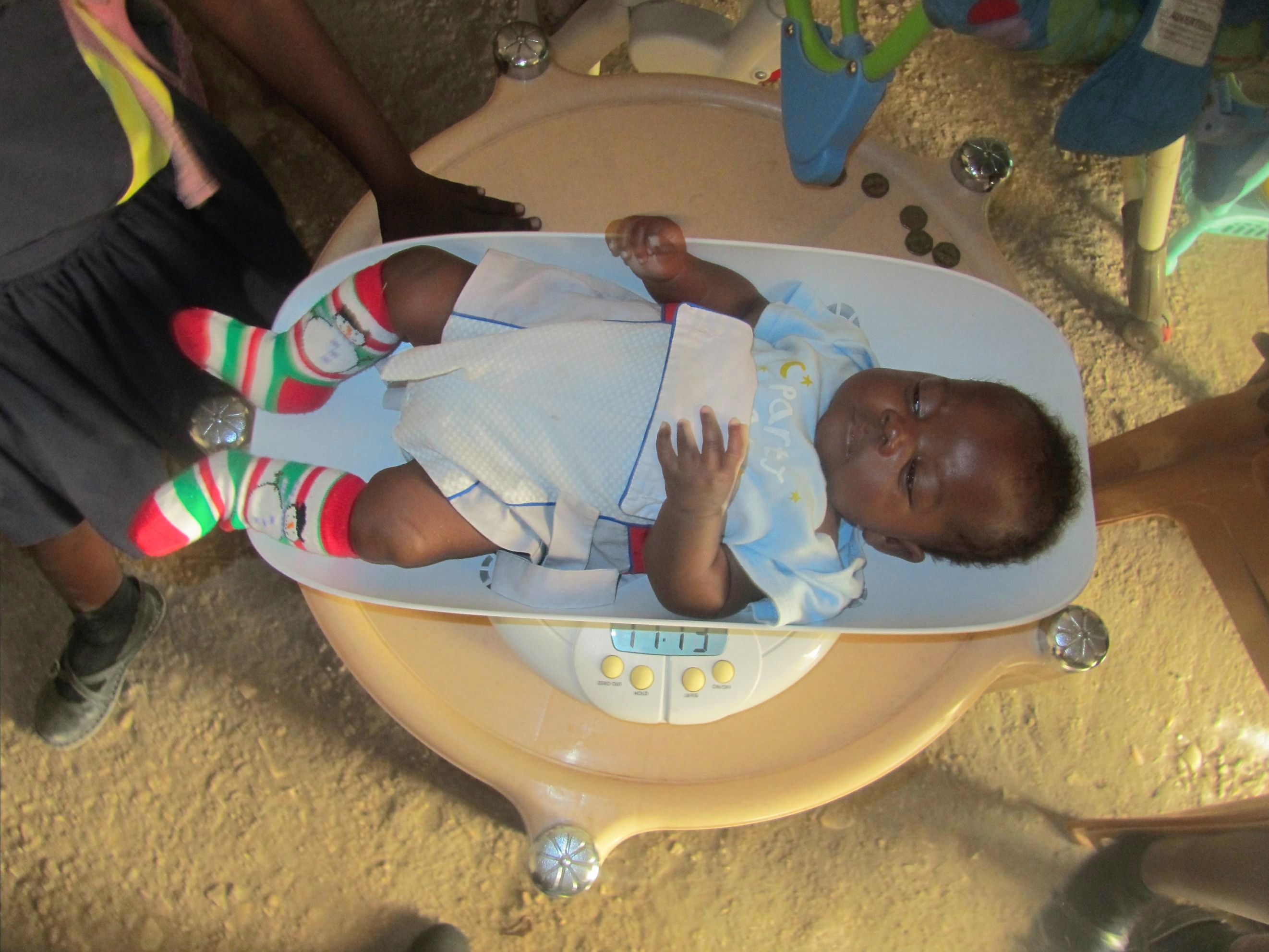 Perhaps most importantly, Junia is showing others a new solution to Haiti’s “orphan crises.” Domestic adoption of non-related children is very rare in Haiti, but if Junia has anything to say about it, it won’t be for long. Junia is in the process of adopting an infant named Jeremie, who, born prematurely, weighed just over 2 pounds when Junia decided to bring him home with her. Now the pride of Junia, her daughters, and the whole neighborhood, Jeremie weighs 11 pounds, 6 ounces! Junia’s courageous decision to care for a sick, premature newborn whose mother—a woman Junia never met—had died has been invaluable to advancing HFF’s work. Junia is a shining example to Haitians and non-Haitians alike of just how resilient, determined, and compassionate her people can be.
Thank you, Junia, for all that you have done and for all that you are!
Another post about her trip to Haiti from HFF board member Vivian Croft. You can read more about Vivian’s trip to Haiti here.
My friend Tom once called me a professional volunteer. For almost three years, I have spent quite a bit of time volunteering my efforts, be it fundraising, event planning, marketing and media services, or super sweat-inducing, physical, hard work and manual labor. I care. For no other reason than I feel it.

My heart and soul aches for those who are unable to care for themselves, speak for themselves, make their own decisions, or find help when it is needed. So many people spend much of their time in pain and in search of necessities. I’ve been a part of a few projects over the years that have opened my eyes to the pain that we all share.

Life is filled with pain but the most beautiful and most amazing oppositional force is another thing I have seen in great quantity. And this is why I continue to give. And those with whom I am lucky enough to share my life also give because they, too, have found great joy in finding that opposite of pain. And happiness filled me in Haiti.

Through smiles.

Art.

Celebration.
I was welcomed back to Pittsburgh with great excitement and joy and much concern and eagerness by those interested to hear what I’d seen and most of all, what Jamie and Ali McMutrie are doing now. I don’t want to say, ‘You won’t know if you don’t go,’ but I do think there are many untranslatable components to an experience of this magnitude.

While in Haiti, my role was that of a skilled volunteer, an observer, a student of life who would return home to translate the everyday of two young women working to change one life, one family at a time. Because they feel it. And because who else will.

Here’s a post by HFF board member Vivian Croft, who visited Jamie and Ali in Haiti a few months ago. You can read more about Vivian’s trip to Haiti here.
Last September, Clercine and her husband Auguste came to Jamie and Ali with a story not unlike so many other parents. The couple felt the had no choice but to put their younger child, daughter Melissa, in an orphanage. Without steady work, raising two children in their small community near Port-au-Prince would be nearly impossible. They felt they were out of options.

I think back to the stories my grandparents told of Depression-era living in the United States. The difficulty in securing the basic necessities, food and water, was so much a struggle that families were often torn apart by disease and hunger. More often though, they were torn apart by lack of money. That was a fear faced in our own country many years ago. It is a way of life for much of Haiti every day.
Knowing how desperately Clercine and Auguste wanted to keep their children, Jamie and Ali vowed to help them find another way – a sustainable way to live and raise two beautiful children. Fortunately, this was not new to them. In their years in Haiti, Jamie and Ali were able to help many families in the same way many times before.
The McMutrie sisters helped Clercine find steady work, a job she still holds today. But that’s not all. While this job helps Clercine and her family afford the very basic necessities, it has not impacted the family the way another small gift has.

During a visit to the family’s rural home, Jamie and Ali brought along a variety of seeds and suggested the family plant them.

Agriculture is a mainstay in Haiti and the land is fertile for many types of fruits and vegetables. Still, purchasing even a few seeds can be costly.

But to the girls, this small gesture of giving away a handful of seeds and teaching the family how to plant and grow them, the reward would not only germinate in the garden, but seeds of sustainability would improve the family’s standard of living, as well.

Today, the family has a large garden with a variety of foods that they are able to eat, share, and sell at the market. They have been successful with foods such as a variety of peppers, onions, spinach, lettuce, peaches, cherries, guava, pumpkin, okra, corn, and barley.

We met the family before church and even in their Sunday best, they proudly gave us a tour of their large plot.

They even have a small pig among the banana trees.

We each tasted a guava right off the tree.

Sharing one small gesture has changed not only the daily life of this family, but has kept them together, learning and sharing. This is what helps Haiti grow. This is what will be the future of sustainable life.
